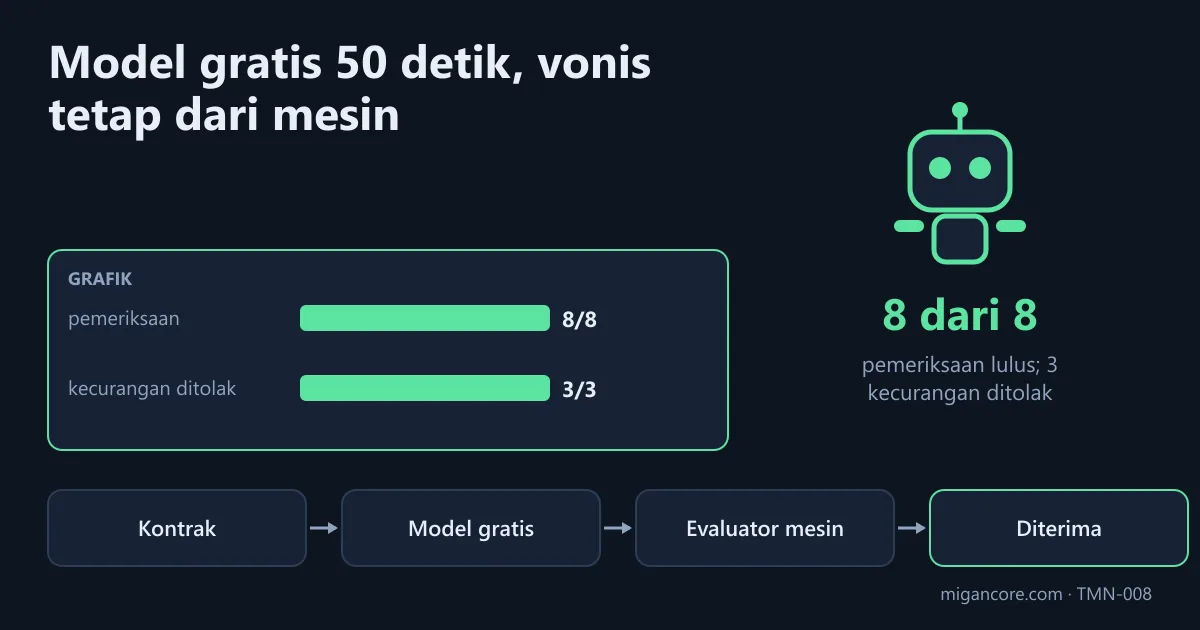
I handed small coding tasks to a free model through a written contract and judged the result with a machine evaluator, not with the worker’s own report. On two small tasks the correct result was accepted and every cheat I planted was rejected. Two tasks are not enough to say how much it saves.
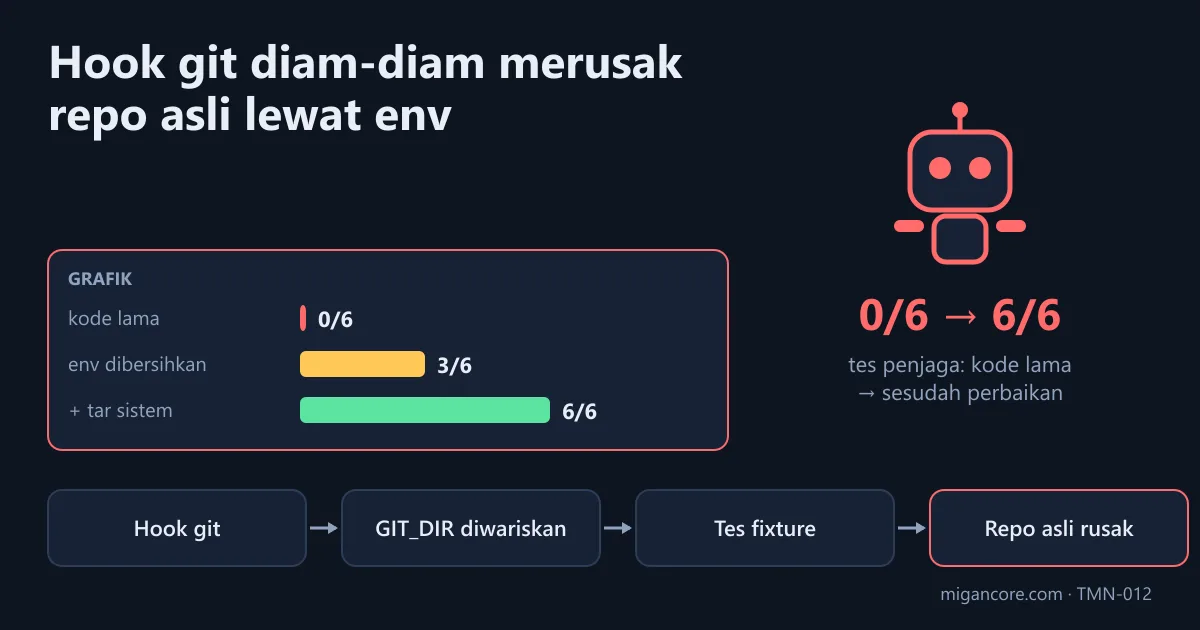
When the test gate ran from a pre-push hook, git exported GIT_DIR and GIT_PREFIX to the hook. Child processes of the tests inherited them, so tests that create a temporary repository changed the real one instead. On Windows there is a second cause: the tar that ships with Git Bash reads a drive prefix as a remote host name.
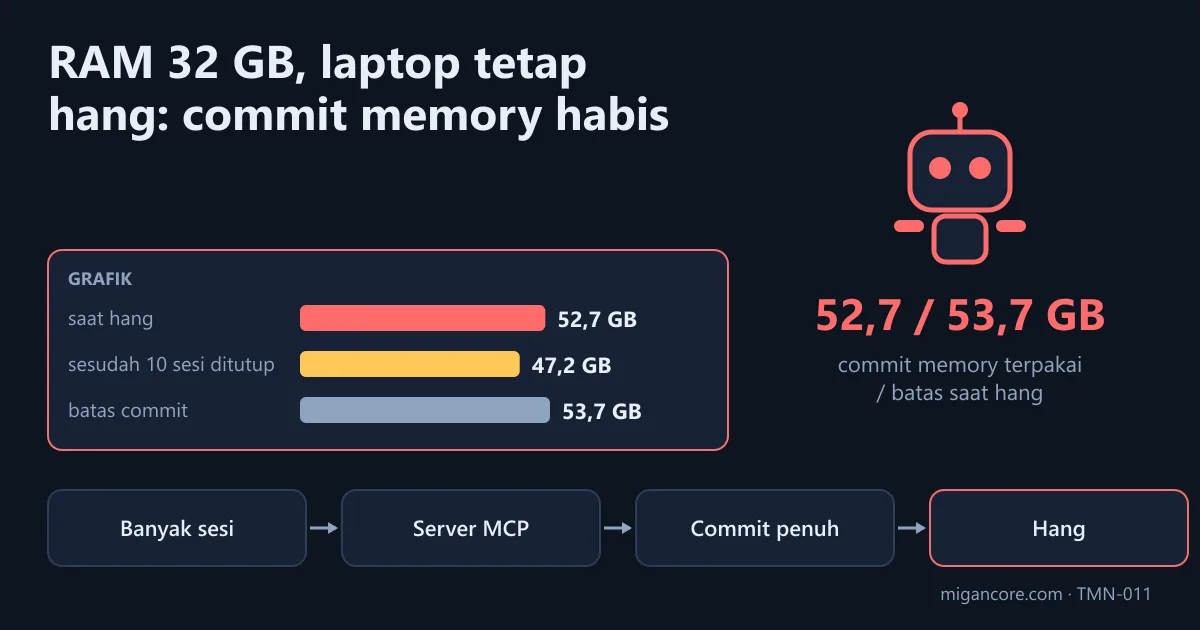
With many agent sessions running, my laptop hung even though it has about 32 GB of physical RAM. What was nearly full was Windows commit memory: 52.7 of a 53.7 GB limit (commit memory = the total memory Windows has promised to all programs: RAM plus the page file on disk). The cause was the agent sessions and the MCP servers that come with them, and closing idle sessions brought the numbers down.
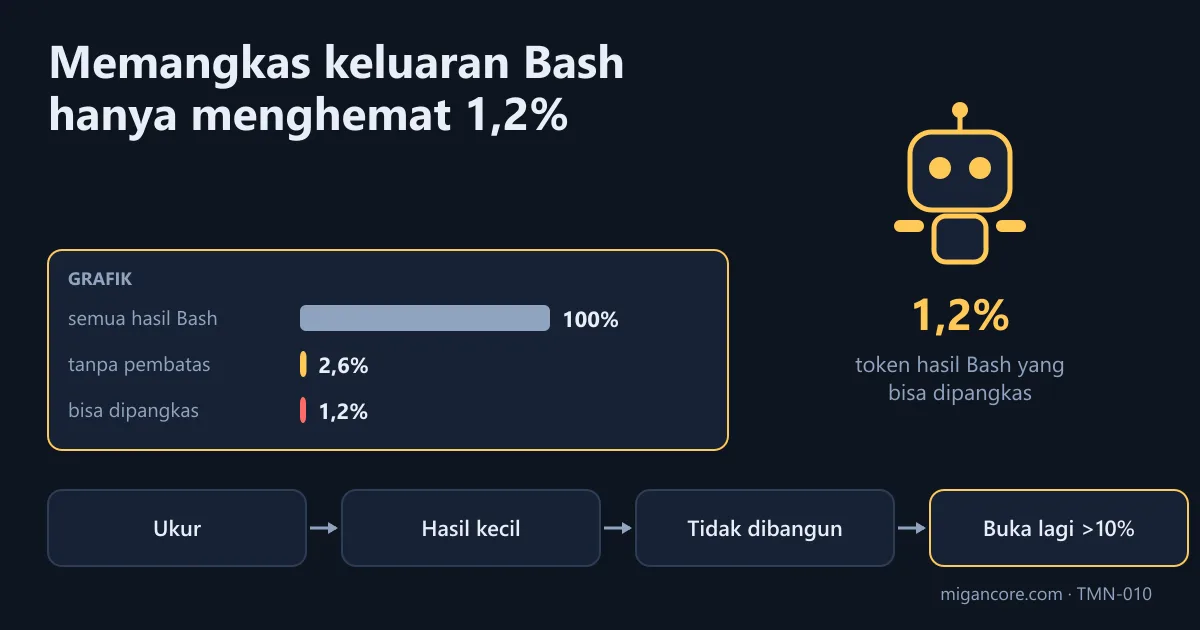
My guess was that long Bash command output eats many tokens, so trimming it would matter. After measuring, large results without a limiter are only 2.6% of Bash result tokens, and only 1.2% is not already caught by an existing safeguard. I postponed the build.
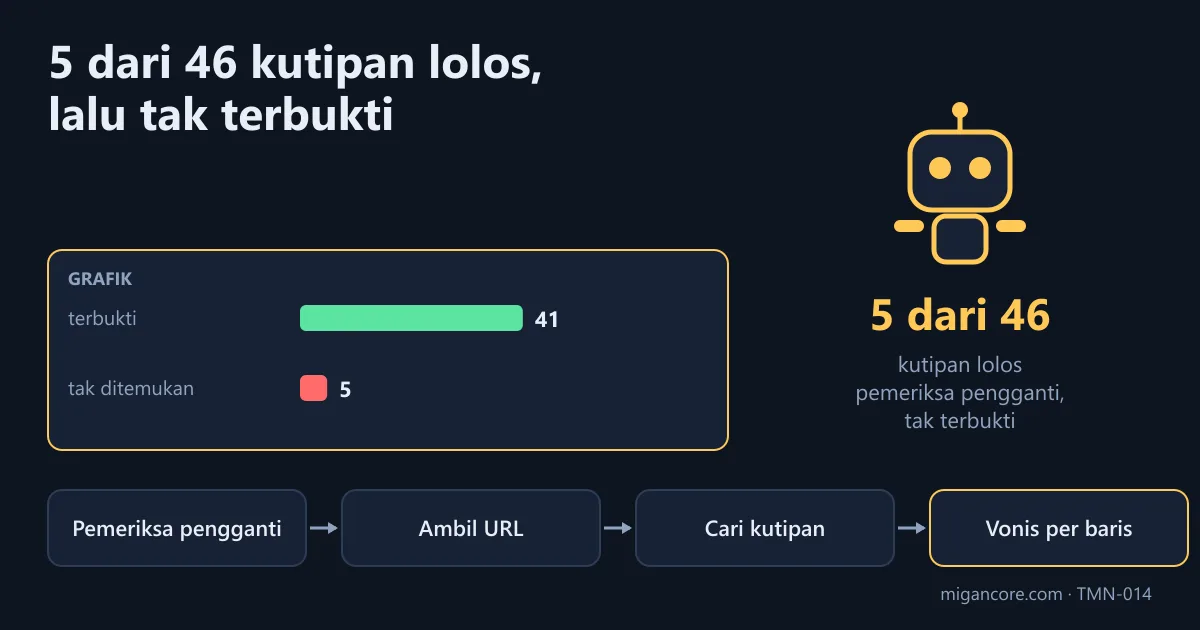
Of 46 research quotes that passed a substitute checker, the official checker (which fetches the page directly and looks for the quote) proved only 41. Five quotes, about 11%, were not found on the page. Some may be PDF documents the tool cannot read, so that figure is an upper bound for "false pass".
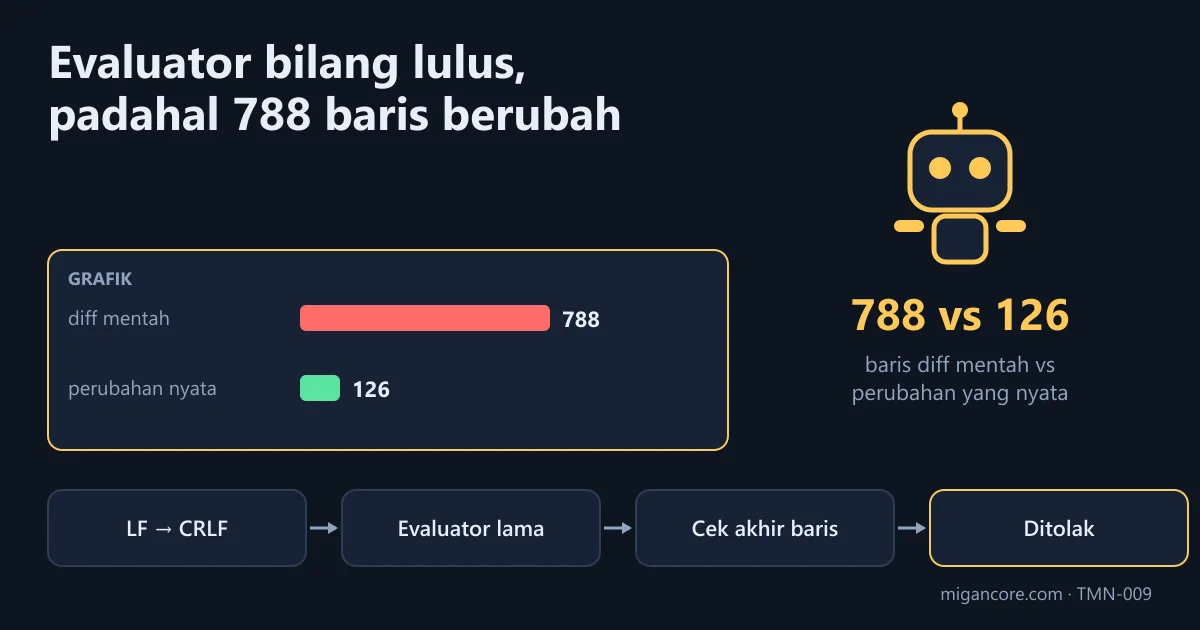
A paid executor rewrote the line endings of whole files from LF to CRLF. The old evaluator still accepted the result, although the raw diff was 788 lines for a real change of 126 lines. I turned that finding into a new check, and the same case is now rejected until the line endings are normalised.
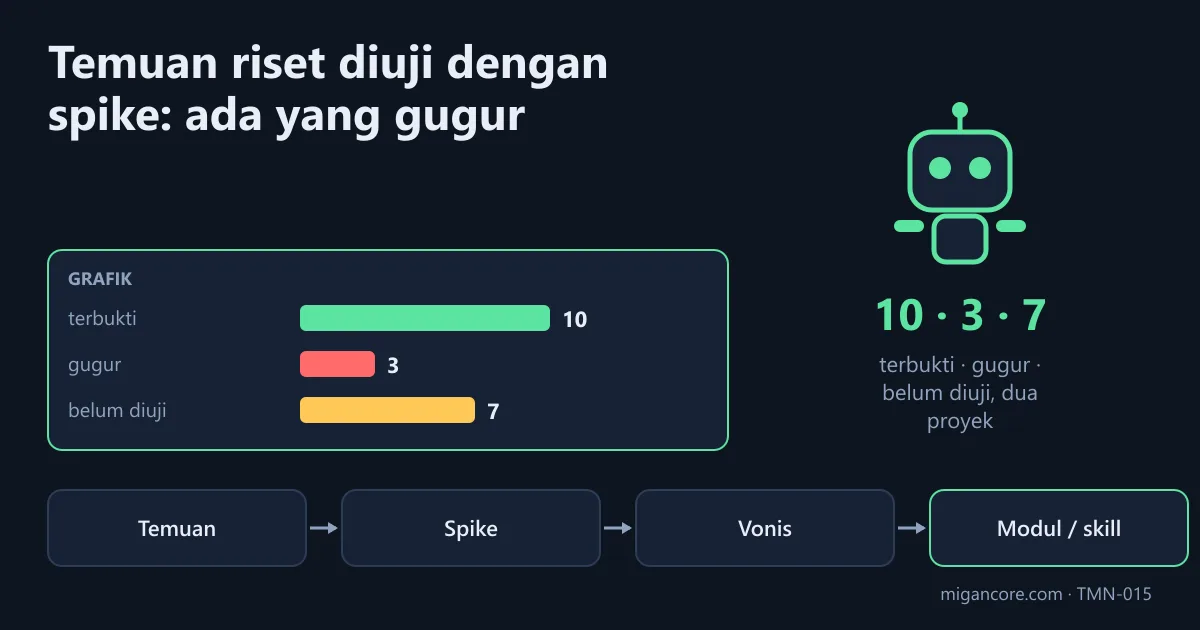
My new rule: every research finding must become a spike that is run and tested, with a verdict of proven, failed or untested and a written reason. In the first two projects (a 3D studio and a web game engine) the spikes gave real verdicts, including failures.
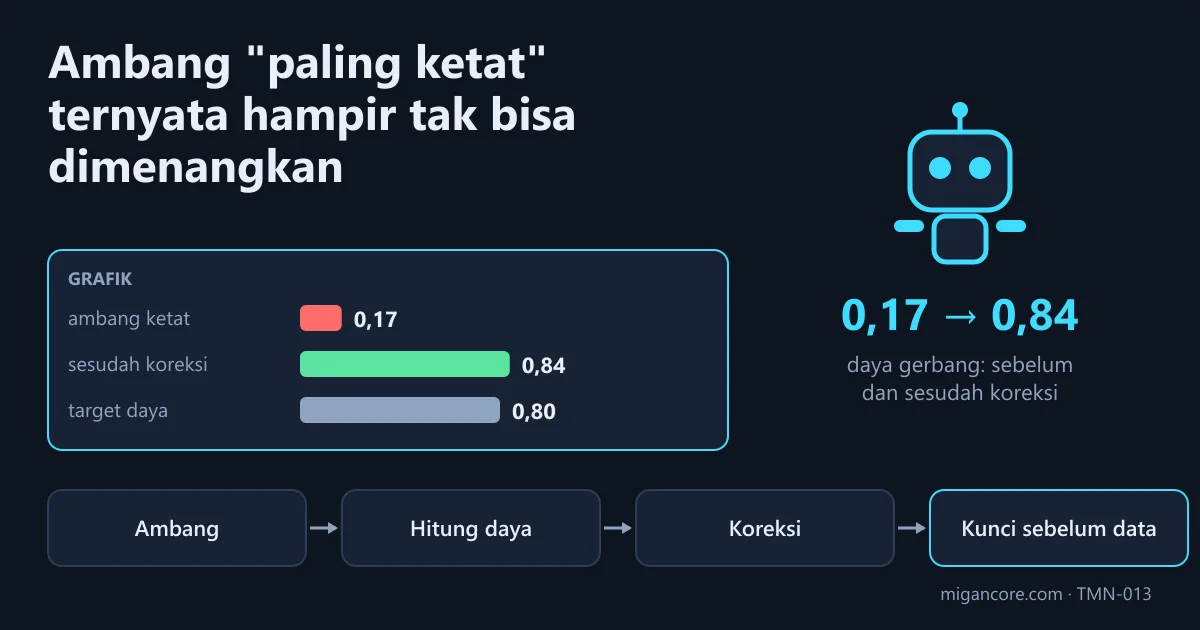
For an AI-judge gate, I decided "take the stricter value per criterion" without an exact power simulation. An exact simulation showed that a judge that is 95% correct per element passes with a probability of only 0.167. I loosened the thresholds before any label data existed, and the power became 0.839.
How I record every meaningful change in MiganExp: rows can only be appended, each row carries the hash of the previous one, and concurrent writers are locked out.
Do not use the biggest model for everything. How I pick the model and the cache duration per agent task, and why a global one-hour cache actually loses money.
A decision list in six places, a schedule in four. How I merged overlapping documents without discarding any, and the automatic checker that keeps them merged.
The working structure I use on every project: direction first, then research, design, requirements, and only then code. One thing per file, with a small tool that keeps it tidy.
Before a feature is called done, seven user personas try it for real. It passes only if all seven succeed. How it runs, how verdicts work, and where it falls short.
miganGO is an open-source desktop AI agent that runs a local model first, asks before using the cloud, and enforces a hard daily spend cap per provider. MIT licence.
While building the miganGO desktop agent, one model took about 86% of the API spend. Measuring the agent with its own cost log changed the roadmap immediately.
On 827 factual questions, the keyword-based refusal signal fired wrongly on 14.3% of answers, while the "corrects the premise" signal fired on only 0.1%. That 143× gap looked like evidence, but six hours later I found that the 143× figure was invalid: premise correction almost never happens on factual questions, so its base rate is close to zero. The principle "action-based signals hold up better than topic-based signals" survives on precision (56% vs 23%), but the 143× figure does not.
I counted 110 result files (11 models, 3,789 answers). Not a single row stored the model’s reasoning trace. The harness kept only the final answer, although the trace was present in 40 of the 41 streamed chunks I checked.
I put a layer in front of a small model. It recognises questions that cannot be answered, then asks back or declines. I tested it on a laptop, then replicated it on a second, CPU-only computer. Fabrication fell from 47.8–51.4% without the gate to about 33% (10 rounds, two computers). The pooled 95% confidence interval (28.1 to 38.3%) does not touch the ungated figure, but the replication passed only partly against the limit I locked before measuring.
A test run once per question can return PASS one day and FAIL another, for the same model and data. So I use several rounds and a confidence interval before deciding.
A decoding recipe that lowers temperature and adds a repetition penalty seemed to make answers more predictable (fabrication range 4 down to 2, not meaningful at 5 rounds), but did not meaningfully reduce fabrication, and the ability to answer facts tended to go down (p about 0.067, not significant at 5 rounds).
On the 4-billion-parameter model I trained, the more tool-calling training examples, the more often it answered trap questions with made-up content (three data points, each trained once). Not inventing tools and not inventing facts seem to be two separate habits.